May We See Thy Beauties
Film
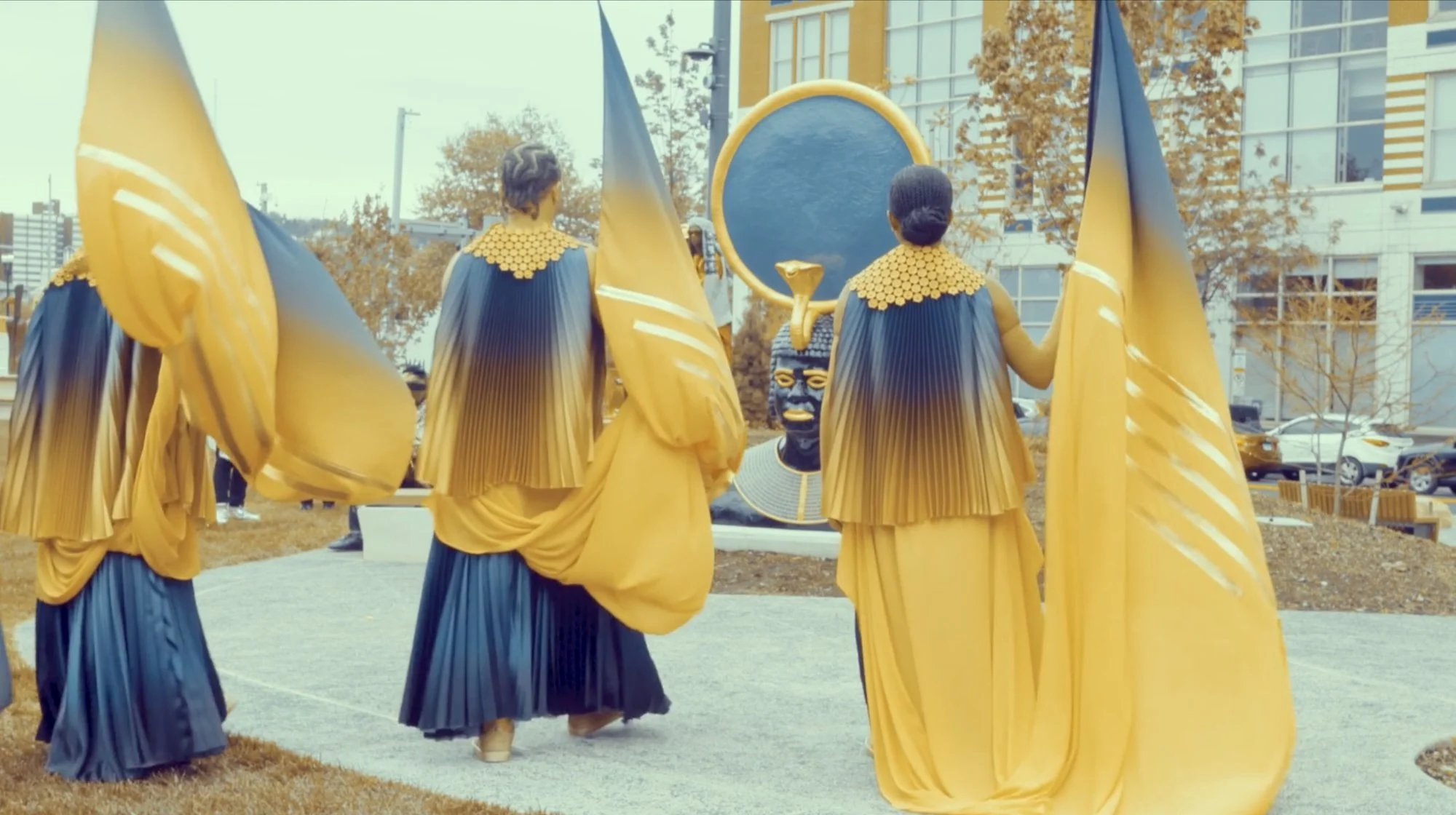
May We See Thy Beauties is a forthcoming performance film by Rainbow Serpent that centers on the ceremonial activation of This Is The Body Of The Sun, an eight-foot cast aluminum sculpture of the Kemetic solar deity Ra, reimagined as a Black queer embodiment of self-mastery, choice, and luminous becoming. Through music, dance, sculpture, and experimental cinematography, the film explores how ritual can transform both a work of art and the conditions through which we perceive ourselves and the world.
Rather than documenting a performance, May We See Thy Beauties is conceived as a ritual in itself. The film follows a solar journey through fragmentation, procession, and return, unfolding across seven interconnected locations that trace the life of the sculpture: the UAP foundry where it was cast, 3 Rivers Studios, the Carnegie Museum of Natural History, a barge on the Allegheny River, Allegheny River Landing, the Rachel Carson Bridge, and Arts Landing, the public park where the sculpture is installed. Together, these spaces become stages in a cosmological passage from underworld to radiance.
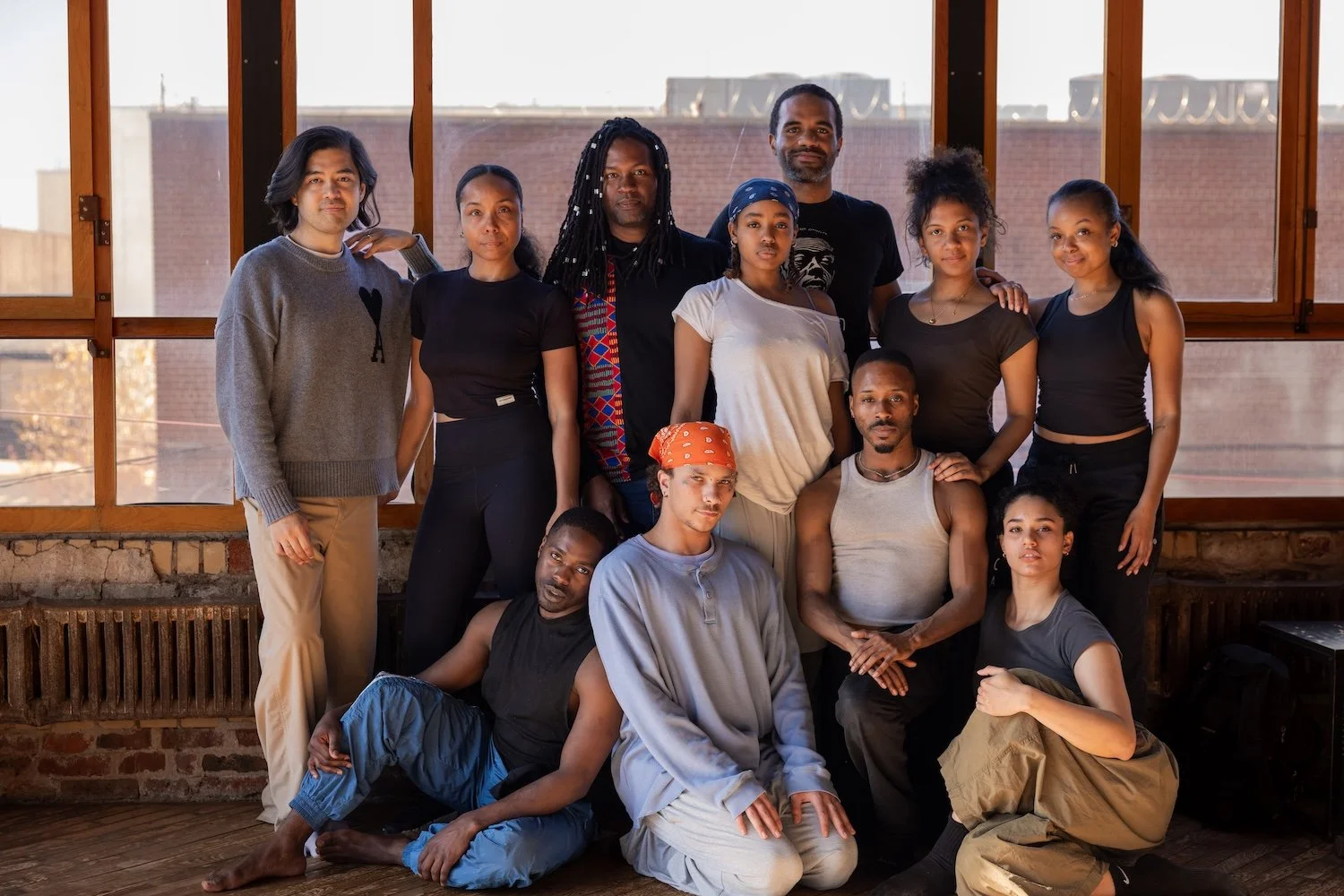
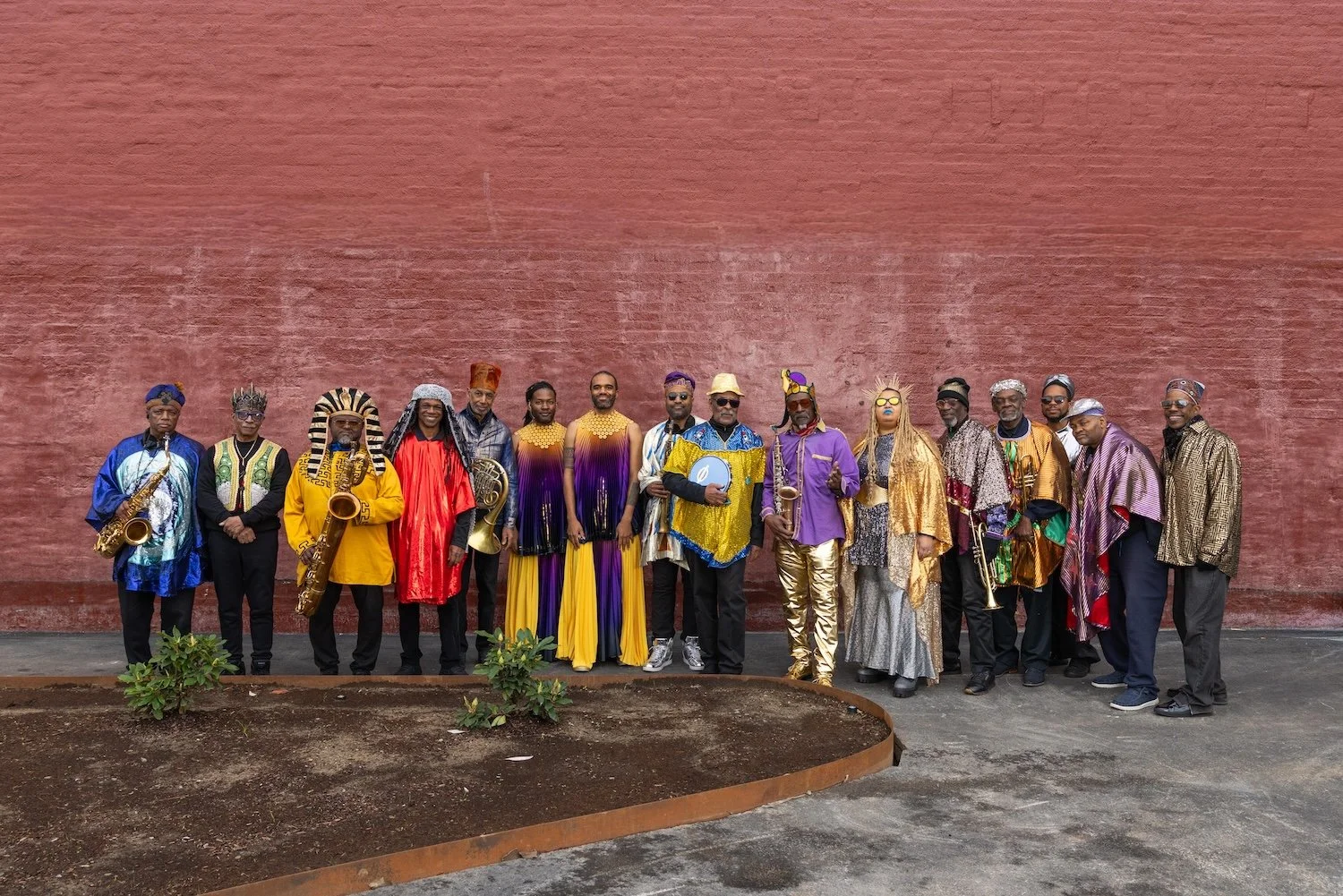
The film brings together an extraordinary group of collaborators. Fourteen members of the legendary Sun Ra Arkestra provide the film’s living sonic foundation, improvising throughout the ceremonial journey as a cosmic force that shapes the film’s experience of time and space. Seven dancers from Sidra Bell Dance New York perform a choreography rooted in circular movement, procession, offering, reflection, and stillness, gradually transforming the sculpture into a living presence. Rainbow Serpent Co-Founders Marques Redd and Mikael Owunna, directors of the film and creators of the sculpture, also participate within the ritual itself, collapsing the conventional distinction between artist, participant, and witness.
Visually, the film moves through thermal, infrared, and visible spectrums of light, using each to reveal different dimensions of reality. Rather than treating these imaging technologies as visual effects, the film employs them as distinct modes of perception, inviting viewers to experience the world beyond ordinary vision. Across these shifting spectrums, a series of recurring visual motifs – including solar disks, liquid transformation, circles and orbits, touch and activation, the gaze, thresholds, and reflections – emerge, fragment, disappear, and return in increasingly coherent forms.
Grounded in research into Kemetic cosmology, Black queer spirituality, and the cosmic philosophy of Sun Ra, May We See Thy Beauties draws inspiration from rituals surrounding the animation of sacred statues, practices of initiation and deification, and the understanding of art as a living force capable of transforming consciousness. The film resists the conventions of both documentary and narrative cinema, instead unfolding as a ceremonial experience in which image, sound, movement, and light function as interconnected ritual acts.
The completed film will run approximately one hour. Its tone is contemplative, immersive, and restrained, inviting sustained attention rather than spectacle. Through a structure built on repetition, transformation, and return, the work gradually leads the viewer from uncertainty toward recognition. By the film’s conclusion, what was once fragmented begins to cohere, and the “beauties” of the title – material, cosmic, and embodied – become newly perceptible.